“Light Bulbs” by Brian Flanagan, Fiat Ventures
Epiphany
I miss cartoons; The old-school kind. Don’t get me wrong, I love Pixar style animation as much as the next guy. “Frozen” really melts my heart, for example (see what I did there?). But you can’t beat 2 dimensional hand-drawn Bugs Bunny and Daffy Duck debating whether it’s rabbit season or duck season in front of Elmer Fudd. Or Wile E. Coyote failing yet again to catch the Roadrunner.
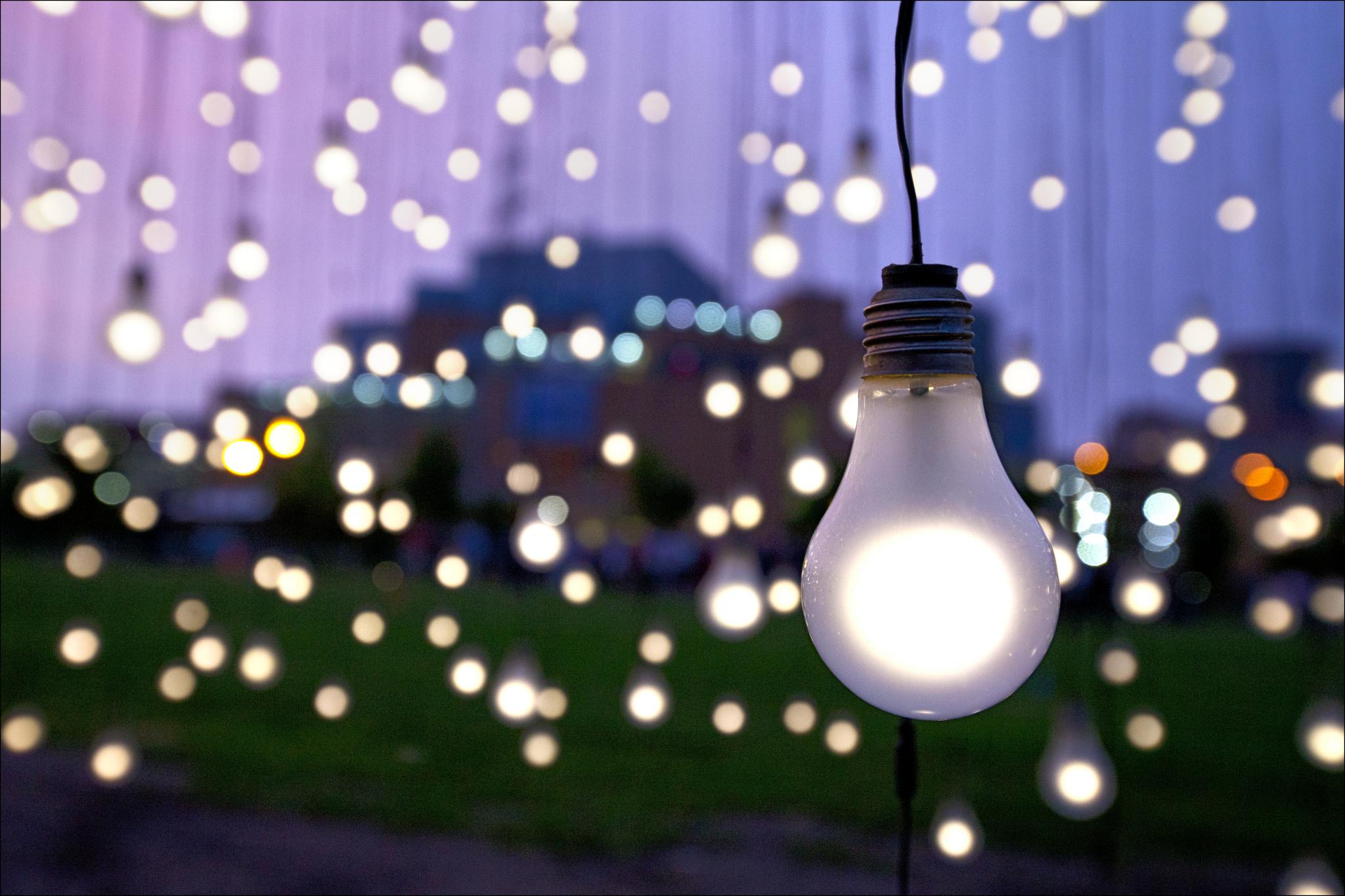
One of my favorite staples of those shows is the “light bulb moment”. One of the characters has a seemingly brilliant idea, and a light bulb literally appears over their head and turns on. They finally have a profound realization and everything finally clicks. One word for this light-bulb moment is an epiphany.
This Sunday at Mass we celebrate the Epiphany to essentially close out the Christmas Season in the Church. It really ends on Monday with the Baptism of the Lord, if you’re ever on Catholic Jeopardy, but for all intents and purposes this year, Sunday is the last hoorah of the Christmas Season. Many countries and cultures around the world actually do their gift giving on Epiphany, so it’s a pretty big deal.
The Epiphany is the feast day when we celebrate the visit of the magi to Bethlehem to worship the newborn king. But why do we use the word Epiphany to name this event? Isn’t that the word we just used to describe the light-bulb moment in Looney Tunes?
Well in the case of the light bulb moment, the word doesn’t really describe someone having a brilliant idea because they’re so smart, as much as it’s describing the brilliant idea manifesting or revealing itself to the person. The idea sort of comes out of nowhere, just like the light bulb appearing above their head.
So with that in mind, let’s take another look at the Epiphany and the magi. We call it the Epiphany because God is manifesting and revealing himself to them. And this is actually a big deal because up until that time in history, the God of Abraham, Isaac, and Jacob had really only revealed himself to the Jewish people. But now in Jesus, he reveals himself not only to them, but to the Gentiles – the non-Jewish people – as well. So the magi from the East in a sense represent the rest of the world. That Jesus is now revealing the Living God to all peoples. These “representatives” of the rest of the world come to worship the newborn king, and are a sign that one day when Jesus comes again in glory, all nations will come to adore and worship him.
But what about the light bulb? Shouldn’t we have little light bulbs attached to the heads of the wise men in our Nativity scenes next to the manger, signaling this epiphany? Well they didn’t have light bulbs back then (Edison and Tesla hadn’t gotten around to working on that yet), but they had something even better. They had the star. It preceded them on their journey and led them, and then “stopped over the place where the child was.” The ultimate light bulb moment.